
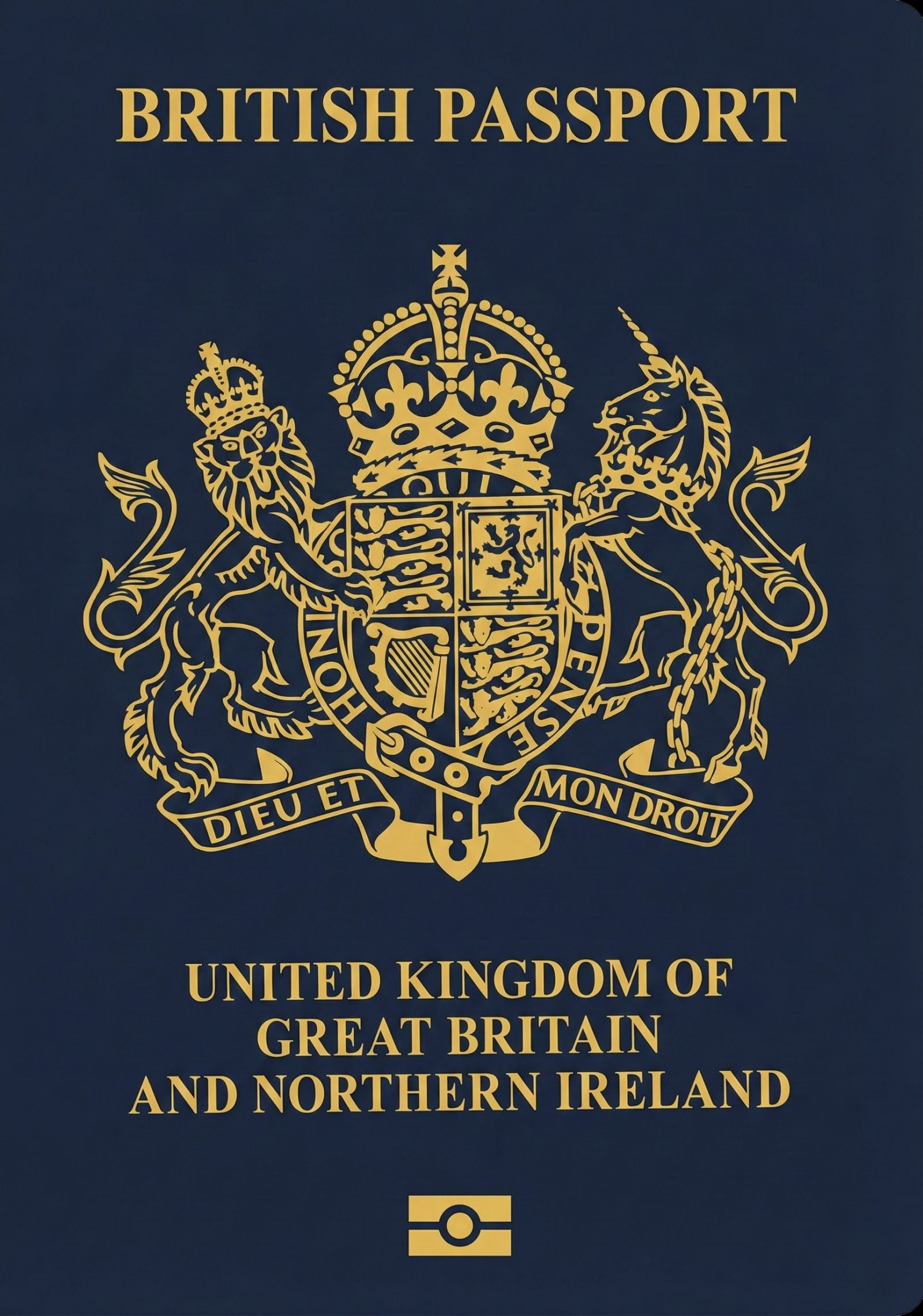
From Nigeria to British Passport: A Realistic Naturalisation Timeline
Search online for "how long to become a British citizen" and you'll find a lot of round numbers thrown around — "5 years," "6 years," "it depends." All are technically true, and none of them tell you what your own journey from Nigeria to a British passport is likely to actually look like, stage by stage. Here's a realistic breakdown.
Year 0: Arrival on a qualifying visa
Your clock generally starts from the date you're granted your qualifying visa — most commonly a Skilled Worker visa if you're coming for work (nursing, tech, engineering, and similar sponsored roles are common routes for Nigerians), or a spouse visa if you're joining a British citizen or settled partner.
Years 1–5: Building continuous residence
Throughout this period, the 180-day absence rule (no more than 180 days outside the UK in any rolling 12-month period) applies continuously. This is also the period where sponsor changes, salary thresholds, and visa extensions need careful attention — if your qualifying visa category changes or lapses, it can affect your continuous residence calculation, so it's worth keeping records of every visa grant and extension along the way.
Year 5: Indefinite Leave to Remain
At the 5-year mark (assuming continuous residence with no unresolved absence issues), you become eligible to apply for ILR — settled status with no time limit and no more visa renewals. This is a significant milestone in its own right, and many people pause here rather than immediately pursuing citizenship, since ILR already removes most of the day-to-day uncertainty of visa status.
Year 6: Eligible to apply for citizenship
If you're on the standard route (not married to a British citizen), you need to hold ILR for a further 12 months before applying for naturalisation — bringing your realistic total to around 6 years from first arrival. If you're married to a British citizen, you can apply as soon as you have ILR, and your overall qualifying residence requirement is 3 years rather than 5 — meaning your realistic total could be closer to 3–4 years, not 6.
The Life in the UK test: what to actually expect
Most applicants aged 18 to 64 need to pass the Life in the UK test before applying for citizenship (and before ILR, on most routes). It's a computer-based test at an approved test centre: 24 multiple-choice questions, 45 minutes on the clock, and you need at least 18 correct — a 75% pass mark — to pass. Questions come in a few formats: single-answer multiple choice, true-or-false, "which of these statements is correct," and "select the two correct answers." It costs £50 per attempt, booked and paid for on gov.uk, and the fee is the same at every test centre.
You're exempt from the test if you're under 18, aged 65 or over, or have a long-term physical or mental health condition that prevents you from preparing for or sitting it (with appropriate evidence). Nigerians applying in their 60s should double-check their exact age at the point of application — the exemption is based on your age when you apply, not when you started your visa journey.
The test covers British history, traditions, government, and everyday life — it's genuinely a study exercise, not a formality, and the official preparation handbook (published by the Home Office) is the only source you should rely on. Give yourself real preparation time rather than trying to sit it in your final week before applying.
The application itself: what adds extra time
Before applying, you'll need to have already passed the Life in the UK test and met the English language requirement — these aren't things you do as part of the citizenship application itself, they need to be completed beforehand.
What British citizenship actually costs
From 8 April 2026, an adult naturalisation application (Form AN) costs £1,839 in total — made up of a £1,709 application fee and a £130 citizenship ceremony fee, both paid together when you submit your application. Unlike ILR, there's no separate biometric charge for citizenship. Registering a child under 18 as a British citizen is a separate process costing £1,000.
Before you apply, you'll also need to have already passed the Life in the UK test (£50) and, if you haven't already proven your English level on a previous application, an approved English test (typically £150–£200). These aren't part of the application fee — they're prerequisites you need to have sorted beforehand, with your pass certificates ready to reference in your application.
Processing times for the citizenship application itself are typically a matter of months, though they vary, and a citizenship ceremony (a legal requirement to complete naturalisation) is scheduled afterward, which can add further weeks depending on local council availability.The citizenship ceremony
Once your application is approved, you're not yet a British citizen — you need to attend a citizenship ceremony, usually organised by your local council, where you take the Oath (or Affirmation) of Allegiance and the Pledge. This is a real, sometimes months-long wait depending on your local council's ceremony schedule, so factor it into your planning rather than assuming your passport application can start the moment your naturalisation is approved.
Work out your own realistic date
General timelines are useful for planning, but your actual eligibility date depends on your specific visa history, route, and any absences along the way. Use our British Citizenship Eligibility Timeline tool to map out your real dates rather than relying on rules of thumb.
After the ceremony: applying for your British passport
Once you've received your certificate of naturalisation at your citizenship ceremony, you're a British citizen — but you'll still need to separately apply for a British passport, which is its own process with its own fee and processing time. Many people underestimate this final step, assuming citizenship and passport arrive together. In practice, you can apply for your passport as soon as you have your certificate, and standard processing typically takes a number of weeks, so if you have upcoming travel plans (perhaps a long-awaited trip home to Nigeria as a British citizen for the first time), it's worth applying promptly rather than leaving it until close to your travel date, since a delayed passport can genuinely disrupt travel you've already planned and paid for.
Frequently asked questions
Can I apply for a British passport before my citizenship ceremony?
No — you need to have completed the ceremony and received your certificate of naturalisation before you can apply for a British passport.
Does time spent in the UK as a student count toward the residence requirement?
It can count toward overall lawful residence in some circumstances, but student visa time doesn't lead directly to ILR in the same way as work or family routes — check how your specific visa history combines.
What happens to my Nigerian citizenship when I become British?
Nigeria permits dual citizenship, so becoming a British citizen doesn't automatically require you to give up your Nigerian citizenship — though it's worth confirming your specific position with the Nigerian High Commission if you have any doubt.
Can I travel to Nigeria between getting my certificate and receiving my passport?
Yes, but you'd travel on your existing passport and visa status until your new British passport arrives — plan your travel documents carefully around this transition period.
Do I need to inform UK Visas and Immigration once I become a citizen?
Your citizenship is recorded through the naturalisation process itself; there's no separate additional notification required beyond completing your ceremony and obtaining your certificate.
Should I keep my old Biometric Residence Permit or eVisa records after becoming a citizen?
Yes — it's good practice to retain copies of your full immigration history indefinitely, even after naturalisation, in case they're ever needed for future reference.