
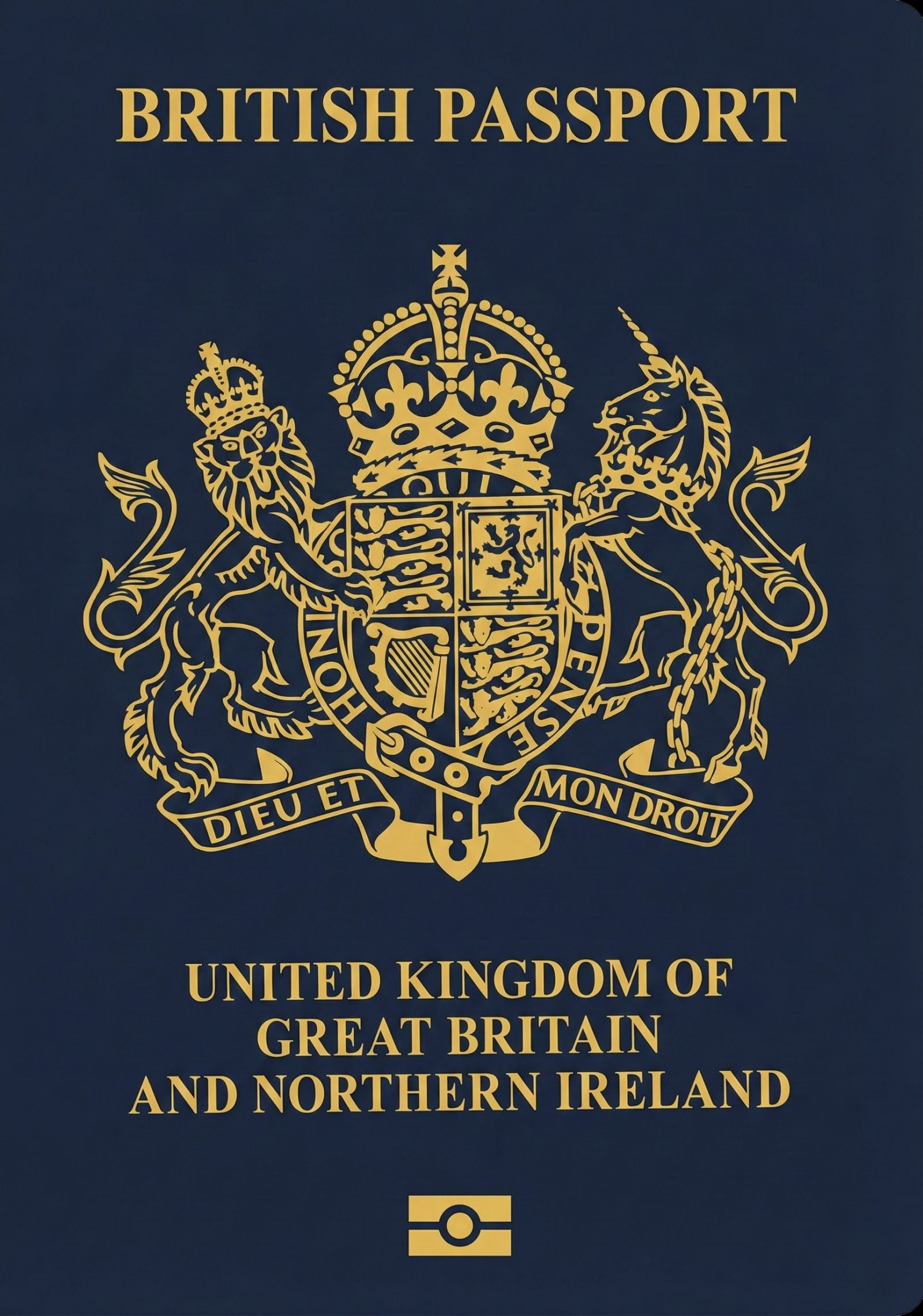
British Citizenship Timeline for African Spouses of UK Citizens: What to Expect
Marrying a British citizen doesn't just change your life personally — it materially changes your immigration timeline. If you're African, and specifically Nigerian, and your spouse is a British citizen, your path to British citizenship is genuinely faster than the standard employment-based route most Skilled Worker visa holders follow. Here's a realistic breakdown of what to expect, step by step.
Stage 1: The spouse visa (usually 2 years, then extension)
Most spouse visa applicants start on a visa granted for 2 years and 9 months (if applying from outside the UK) or 2 years (if switching from inside the UK), then need to extend for a further 2 years and 6 months before reaching the 5-year point where ILR eligibility is usually assessed under the standard route.
Stage 2: Reaching Indefinite Leave to Remain
After 5 years on the spouse route (in most cases), you become eligible to apply for Indefinite Leave to Remain — the same continuous residence and 180-day absence rules apply here as on other routes. It's worth noting that some spouse visa applicants can, in specific circumstances (such as under the domestic violence provisions), reach settlement faster, but this is genuinely case-specific and worth discussing with a regulated adviser if it applies to you.
Stage 3: Citizenship — where the timeline actually shortens
This is where being married to a British citizen genuinely speeds things up. Once you hold ILR:
- No 12-month wait after ILR — you can apply for citizenship as soon as you have ILR, unlike the standard route which requires a further 12 months held.
- Shorter overall residence requirement — typically 3 years' lawful UK residence rather than 5, with the qualifying period ending on settled status.
- Absence limits are still tighter than for ILR — broadly, no more than 270 days absent across the 3-year period (proportionally less than the 5-year standard route's 450 days), and no more than 90 days in the final 12 months. Always check the exact current figures for your specific timeline, as these thresholds scale with the length of your qualifying period.
The Life in the UK test: what to actually expect
Most applicants aged 18 to 64 need to pass the Life in the UK test before applying for citizenship (and before ILR, on most routes). It's a computer-based test at an approved test centre: 24 multiple-choice questions, 45 minutes on the clock, and you need at least 18 correct — a 75% pass mark — to pass. Questions come in a few formats: single-answer multiple choice, true-or-false, "which of these statements is correct," and "select the two correct answers." It costs £50 per attempt, booked and paid for on gov.uk, and the fee is the same at every test centre.
You're exempt from the test if you're under 18, aged 65 or over, or have a long-term physical or mental health condition that prevents you from preparing for or sitting it (with appropriate evidence). Nigerians applying in their 60s should double-check their exact age at the point of application — the exemption is based on your age when you apply, not when you started your visa journey.
The test covers British history, traditions, government, and everyday life — it's genuinely a study exercise, not a formality, and the official preparation handbook (published by the Home Office) is the only source you should rely on. Give yourself real preparation time rather than trying to sit it in your final week before applying.
What British citizenship actually costs
From 8 April 2026, an adult naturalisation application (Form AN) costs £1,839 in total — made up of a £1,709 application fee and a £130 citizenship ceremony fee, both paid together when you submit your application. Unlike ILR, there's no separate biometric charge for citizenship. Registering a child under 18 as a British citizen is a separate process costing £1,000.
Before you apply, you'll also need to have already passed the Life in the UK test (£50) and, if you haven't already proven your English level on a previous application, an approved English test (typically £150–£200). These aren't part of the application fee — they're prerequisites you need to have sorted beforehand, with your pass certificates ready to reference in your application.
What doesn't change
Being married to a British citizen speeds up the timeline, but it doesn't remove the other requirements. You'll still need to pass the Life in the UK test, meet the English language requirement, and satisfy the good character requirement — criminal record, tax history, immigration compliance, and financial conduct are all still assessed exactly as they would be on any other route.
It's also worth understanding that a marriage of convenience — one entered into primarily to gain an immigration advantage rather than as a genuine relationship — is a serious ground for refusal and can affect both your visa and future applications. The Home Office does scrutinise spouse route applications for genuineness, particularly at the initial visa and ILR stages.
Plan your specific dates
Because your exact eligibility date depends on when your ILR was granted and your personal absence history, it's worth working out your specific timeline rather than relying on general rules of thumb. Our British Citizenship Eligibility Timeline tool calculates this for your actual dates and route.
If your relationship changes along the way
Life doesn't always follow the plan. If your relationship with your British spouse changes — separation, divorce, or the relationship otherwise ending — before you've reached ILR or citizenship, your immigration position can be affected in ways that depend heavily on your specific stage in the process and circumstances. This isn't something to navigate alone or based on advice from friends or family who "went through something similar" — the specifics of timing, evidence, and route matter enormously, and this is exactly the kind of situation where speaking to a regulated adviser promptly, rather than waiting and hoping things resolve on their own, genuinely protects your long-term options.
Frequently asked questions
Does it matter if we married in Nigeria or the UK?
No — what matters is that the marriage or civil partnership is legally recognised, not where the ceremony took place.
What if my British spouse and I divorce before I apply for citizenship?
This can affect your eligibility for the faster spouse route, particularly if it happens before you've reached ILR. Speak to a regulated adviser promptly if your relationship status changes during your immigration journey.
Can I include my children in my citizenship application?
Children generally go through a separate registration process rather than being included in your naturalisation application, though the requirements and fees differ from the adult route.
Does my spouse need to attend my citizenship ceremony?
It's not a legal requirement, but many people choose to bring family to what's typically a meaningful, celebratory event organised by the local council.
If I was on a different visa route before switching to the spouse route, does that time count?
It depends on the specifics of your visa history and any gaps between routes — this is worth checking carefully, ideally with a regulated adviser, rather than assuming all prior time counts automatically.
Can my British spouse sponsor my parents to join us in the UK too?
Bringing elderly or dependent parents to the UK is a separate, generally much harder route with its own strict eligibility criteria — it isn't an automatic extension of your own spouse visa.
Do we need to prove our relationship is genuine at every stage, or just the initial visa?
Genuineness can be examined again at the ILR stage and, in some cases, later — maintaining good evidence of your shared life together (joint finances, correspondence, shared address) throughout is a sensible practice, not just a one-time requirement.